Encino Wildfire Lawyer
If you were one of the thousands of Encino residents who lost a home, a business, or years of work to wildfire, you already know the fire itself is only the beginning. An Encino wildfire lawyer can help you hold the responsible party accountable — whether that’s a utility company that let aging equipment spark in dry brush along the 101 corridor, a property owner who ignored a hazard upslope from your neighborhood, or a government agency that failed to act before the winds hit. These cases are complicated. The recoverable money is real. Most people don’t realize what they’re owed until it’s too late to collect it.
There are deadlines you cannot miss. If your claim involves a private utility like Southern California Edison, you generally have two years from the date of your loss to file a personal injury lawsuit and three years for property damage. If a government entity bears any responsibility, California’s Government Claims Act may give you as little as six months to file an administrative claim before you lose the right to sue that entity entirely. Six months disappears fast when you’re managing evacuation, temporary housing, insurance adjusters, and everything else a wildfire drops on you at once.
Call us. You don’t need to understand inverse condemnation law or CPUC proceedings before you pick up the phone. That’s our job.
Need Assistance With Your Case? Get a Free Case Review.
If you find yourself on the wrong side of the law, let us put our knowledge and experience to work for you.
📞 Call Big Joe NowDid the Wildfire Destroy My Home or Business — Can I Actually Sue for That in Encino?
Yes. California law gives wildfire victims real tools to go after the party whose negligence caused or spread the fire. You don’t have to prove you were blameless. You have to show the defendant failed to act with reasonable care and that failure contributed to your loss.
Utility companies are the most common defendants in California wildfire litigation. Southern California Edison equipment has been linked to multiple major fires across Los Angeles County, including fires that burned through communities in the hills above the San Fernando Valley. When a utility’s transmission lines, transformers, or distribution infrastructure ignite a fire because the company failed to maintain them — especially during a red flag event the company knew was coming — that’s negligence.
California also recognizes inverse condemnation. That doctrine holds utilities to a stricter standard than ordinary negligence: if their infrastructure caused a taking of your private property, you may have a valid claim even without proving the company did anything intentionally wrong. It’s one of the strongest tools wildfire victims have in this state.
Fires started by a neighbor’s burn pile, a contractor’s equipment, or a landlord who ignored a known hazard are viable claims too. Every case starts with one question: who caused this, and did they have a legal obligation to prevent it?
What If Southern California Edison’s Equipment Started the Fire That Destroyed My Encino Property?
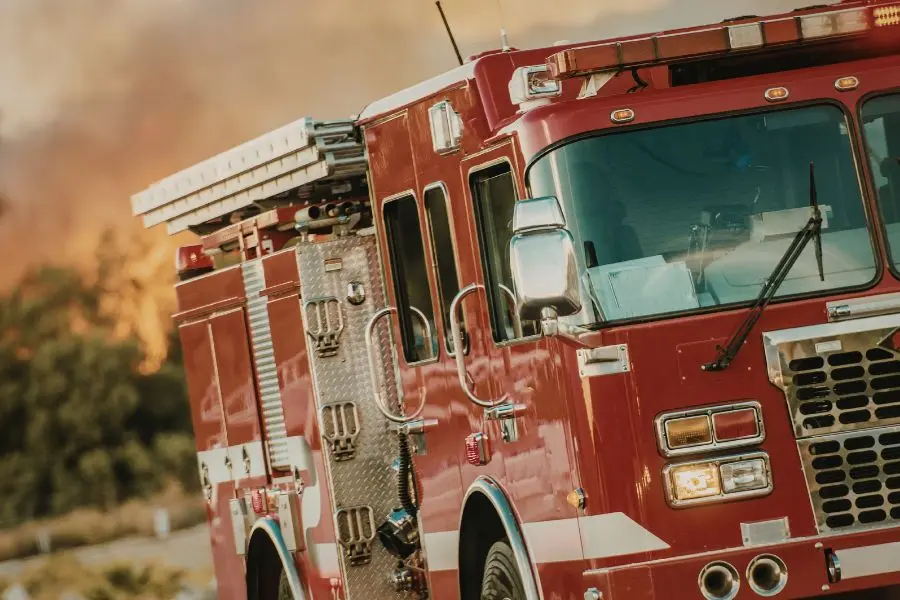
Then you have a claim worth taking seriously. SCE operates under obligations set by the California Public Utilities Commission. The company is required to maintain its equipment, clear vegetation from around its lines, and take precautions when high-risk weather events are forecast — and the Santa Ana winds that tear through the Sepulveda Pass and funnel down into the Valley every fall are not a surprise. They happen every year.
When a utility doesn’t de-energize lines during a known wind event, or ignores deferred maintenance on aging equipment in fire-prone terrain, fires start. By the time flames reach a street off Ventura Boulevard or climb the hillside toward Mulholland, it’s too late to ask why the equipment wasn’t inspected two years ago.
Our wildfire attorneys gather ignition evidence before it disappears. We work with fire origin experts who can tie the physical evidence at the ignition point back to the specific equipment failure. That’s not something you can reconstruct six months later from news reports.
Utilities begin preparing their defense before the smoke clears. You should be doing the same.
How Long Do I Have to File a Wildfire Lawsuit as an Encino Property Owner or Injury Victim?
It depends on who you’re suing. Against a private utility or individual defendant, you generally have two years for personal injury and three years for property damage, running from the date of loss. That sounds like plenty of time. It isn’t, once you account for finding counsel, retaining fire origin experts, subpoenaing maintenance records, and building an evidentiary record that can survive a well-funded defense.
Government entities are different. Under the California Government Claims Act, you may have only six months from the date of the incident to file an administrative claim. Miss it and you likely lose the right to sue that entity, permanently, no matter how clear the liability.
One more thing people get wrong: your insurer filing a claim is not the same as you filing one. Subrogation is the insurance company protecting its own recovery. It does not preserve your right to pursue damages the policy didn’t cover — and there are almost always damages the policy didn’t cover.
What Can Wildfire Victims Recover If a Fire Destroyed Their Home Near Encino or the San Fernando Valley?
More than most people expect. The insurance check, if it came at all, is probably not the ceiling on what you’re owed.
Start with the gap. Construction costs in Los Angeles have climbed hard in the last several years. What your homeowner’s policy was written to cover may not come close to what it actually costs to rebuild today — especially for older homes in the hills above Encino or the neighborhoods that back up against the Santa Monica Mountains. That gap is recoverable when someone else caused the fire.
Personal property destroyed in the fire. Loss of use during the months or years you’re displaced. Business income if you ran a company out of your home or a commercial property that burned. Lost wages if you were physically injured and couldn’t work.
If someone in your family suffered smoke inhalation, burns, or any physical harm during the fire or while evacuating on the 405 or surface streets that turned into gridlock, that’s a separate personal injury claim that adds to the total. Emotional distress from losing a home you lived in for twenty years — the street, the neighbors, the physical place where your life was — is compensable in California. Courts take it seriously.
Where a defendant’s conduct was reckless enough — a utility that knew equipment was failing and chose to defer the repair — California permits punitive damages on top of everything else.
Who Is Eligible to File a Wildfire Claim in Encino or the Surrounding San Fernando Valley?
Homeowners whose property burned. Renters who lost everything inside a unit that survived — or didn’t. Business owners who lost equipment, inventory, or months of income. Anyone who suffered a physical injury during the fire or the evacuation. Family members of someone who died.
You don’t have to have owned the property to have a claim. Renters along Balboa, Reseda Boulevard, or any of the streets that cut through the Valley can recover for personal property losses and displacement costs. You don’t have to have been home when it started.
What you need is a documented loss and a party whose negligence caused it. That’s it. Our wildfire attorneys can tell you in the first conversation whether those two things connect in your situation.
What Kinds of Wildfire Cases Do Our Encino Wildfire Attorneys Handle?
Our Encino personal injury practice covers the full range of fire-related losses across Encino, Sherman Oaks, Tarzana, Woodland Hills, and the broader San Fernando Valley. The cases we see most often:
- Utility-caused wildfire claims: Cases where SCE equipment, downed lines, or a failure to de-energize during a red flag event started or spread the fire
- Inverse condemnation claims: California-specific claims where utility infrastructure caused a taking of private property, regardless of whether the company acted with intent
- Negligent vegetation management claims: Cases where overgrown brush on a utility right-of-way or neighboring parcel contributed directly to fire spread
- Landlord and property owner negligence: Known fire hazards on someone else’s property that were ignored, and that failure contributed to your loss
- Construction and contractor equipment fires: Ignition from power tools, site equipment, or contractor operations during a high-risk weather period
- Personal injury from wildfire: Burns, smoke inhalation, and physical harm during the fire or evacuation
- Wrongful death from wildfire: Cases where a family member died as a direct result of a fire someone else caused or failed to prevent
What Compensation Can Wildfire Victims Recover Under California Law?
California gives wildfire victims one of the broadest recovery frameworks anywhere in the country. Our wildfire lawyers pursue every category your situation supports — and we document them from the first conversation so nothing gets missed later.
Economic damages are the concrete losses. The cost to rebuild or replace your home at current construction prices in Los Angeles. The gap between your insurance payout and what rebuilding actually costs. Personal property destroyed in the fire. Additional living expenses while you’re displaced — hotels, temporary rentals, storage, everything. Lost wages if your injuries kept you out of work. Business income losses if your company couldn’t operate.
When a utility is the responsible party, California’s inverse condemnation doctrine can require the company to cover your economic losses even without a showing of negligence. The fact that their infrastructure caused the loss may be sufficient. That’s not a guarantee, but it’s a meaningful advantage California gives you that most states don’t.
Non-economic damages cover what doesn’t appear on a receipt. Losing a home you’ve lived in since your kids were small isn’t just a financial event. It’s displacement and grief and the disorientation of losing the physical place where your life was rooted. California juries understand this. It factors into verdicts.
Where the defendant’s conduct was especially reckless — a utility that sat on known equipment failures in fire terrain, or a company that ignored pre-event warnings and chose not to de-energize — California law permits punitive damages. They can be substantial. They’re meant to be.
How Our Encino Wildfire Lawyers Take On Utility Companies and Other Defendants
Southern California Edison has a legal team dedicated to wildfire claims. Their job, from the moment a fire starts, is to minimize what the company pays out. They investigate the ignition site. They preserve the evidence they want preserved. They build the record that supports their defense while yours is still unwritten.
That’s not a scare tactic. It’s just what happens. And it’s what you’re up against if you handle this alone or defer entirely to your insurance adjuster — who works for the insurer, not for you, and whose job is to resolve the claim in a way that works for the insurance company.
Our wildfire attorneys get involved early. We retain fire origin and cause experts, subpoena utility maintenance and inspection records, document your losses in full before anything else changes, and build the evidentiary record you need before it’s gone. We handle CPUC filings, track every deadline, and coordinate with other affected property owners where consolidated litigation makes sense.
No upfront costs. No hourly fees. We take wildfire cases on contingency — which means we only get paid if we recover money for you. That’s not a marketing line. It’s how we make sure our incentive and yours stay identical from the first call to the last.
Talk to Big Joe Law Before Your California Wildfire Claim Deadline Passes
You lost something real. Someone may be legally responsible for it. And the deadline in California is shorter than most people realize when they finally pick up the phone.
Contact Big Joe Law today for a free consultation with an Encino wildfire lawyer. We’ll tell you what you have, what it’s worth, and what happens next — and we don’t get paid unless you do.
Need Assistance With Your Case? Get a Free Case Review.
If you find yourself on the wrong side of the law, let us put our knowledge and experience to work for you.
📞 Call Big Joe Now